If you want more elbow room without feeling cut off from Austin, Dripping Springs may already be on your radar. This Hill Country city blends open space, community events, and a growing housing market in a way that feels both relaxed and active. Whether you are thinking about moving now or just starting your search, this guide will help you understand what living in Dripping Springs is really like. Let’s dive in.
Why Dripping Springs Stands Out
Dripping Springs sits in northern Hays County, about 25 minutes west of Austin, and the city often calls itself the Gateway to the Hill Country. That location is a big part of its appeal. You can enjoy a more scenic, spacious setting while still staying connected to Austin for work, dining, and entertainment.
The city is also growing quickly. The U.S. Census Bureau estimates Dripping Springs had a population of 10,165 in July 2024, up from 4,650 in the 2020 Census. For you as a buyer, that means you are looking at a place that still feels small-town but is clearly evolving.
Small-Town Feel With Activity
One of the biggest draws of living in Dripping Springs is the community atmosphere. The city highlights open spaces, friendly faces, local history, live music, craft breweries, wineries, and a strong civic identity. In everyday life, that can translate into a town where there is usually something going on without the pace feeling overwhelming.
Founders Day is the city’s largest community event and gives you a good sense of local rhythm. It centers on downtown and includes parade activities, live music, food and beer, booths, and volunteer participation. A year-round city-run farmers market adds another regular gathering point and helps reinforce that town-center feel.
Dripping Springs also promotes itself as the Wedding Capital of Texas and as a film- and music-friendly community. That does not make it a sleepy town on the edge of the metro. Instead, it suggests a place where weekends can feel lively and where local identity is a real part of daily life.
Outdoor Living Is Part of Daily Life
If being outside matters to you, Dripping Springs has a lot to offer. The city says it was the first city in Texas designated an International Dark Sky Community in 2014, and its lighting ordinance is designed to reduce glare and protect night skies. That may sound like a small detail, but it shapes the feel of the area in a meaningful way.
The city reports 571.29 acres of parkland serving about 25,000 residents in the city and ETJ. Local park options include Founders Memorial Park, Charro Ranch Park, Sports and Recreation Park, Ranch Park, and the future Rathgeber Natural Resource Park. These public spaces support the kind of day-to-day outdoor lifestyle many buyers want when they move to the Hill Country.
Dripping Springs Ranch Park is another standout. This 130-acre recreation and event property includes 6.2 miles of multi-use trails, equestrian facilities, and open space. If you enjoy walking, riding, or simply having room to breathe, that is a strong lifestyle advantage.
Easy Access to Hill Country Destinations
Living in Dripping Springs also puts you near some of the area’s best-known outdoor destinations. Hamilton Pool Preserve is nearby, though reservations are required every day and swimming is not guaranteed. That is worth knowing if you picture it as a spontaneous weekend outing.
Pedernales Falls State Park, about 30 miles west of Austin, offers camping, hiking, mountain biking, picnicking, birding, and horseback riding. Texas Parks and Wildlife also notes that Dripping Springs is 13 miles southeast of the park. For you, that means outdoor adventure is not something you have to plan far in advance or drive hours to reach.
Schools in Dripping Springs
For buyers who want to understand the local school system, Dripping Springs ISD serves more than 8,800 students across nine campuses. Those campuses include six elementary schools, two middle schools, and one high school. That creates a relatively contained K-12 district structure compared with larger metro-area systems.
When you are comparing areas, that kind of setup can be helpful to know. It gives you a straightforward picture of how the district is organized and how many campuses serve the community. If schools are part of your home search, it is one more reason Dripping Springs often stays on buyers’ short lists.
Home Styles You’ll Find
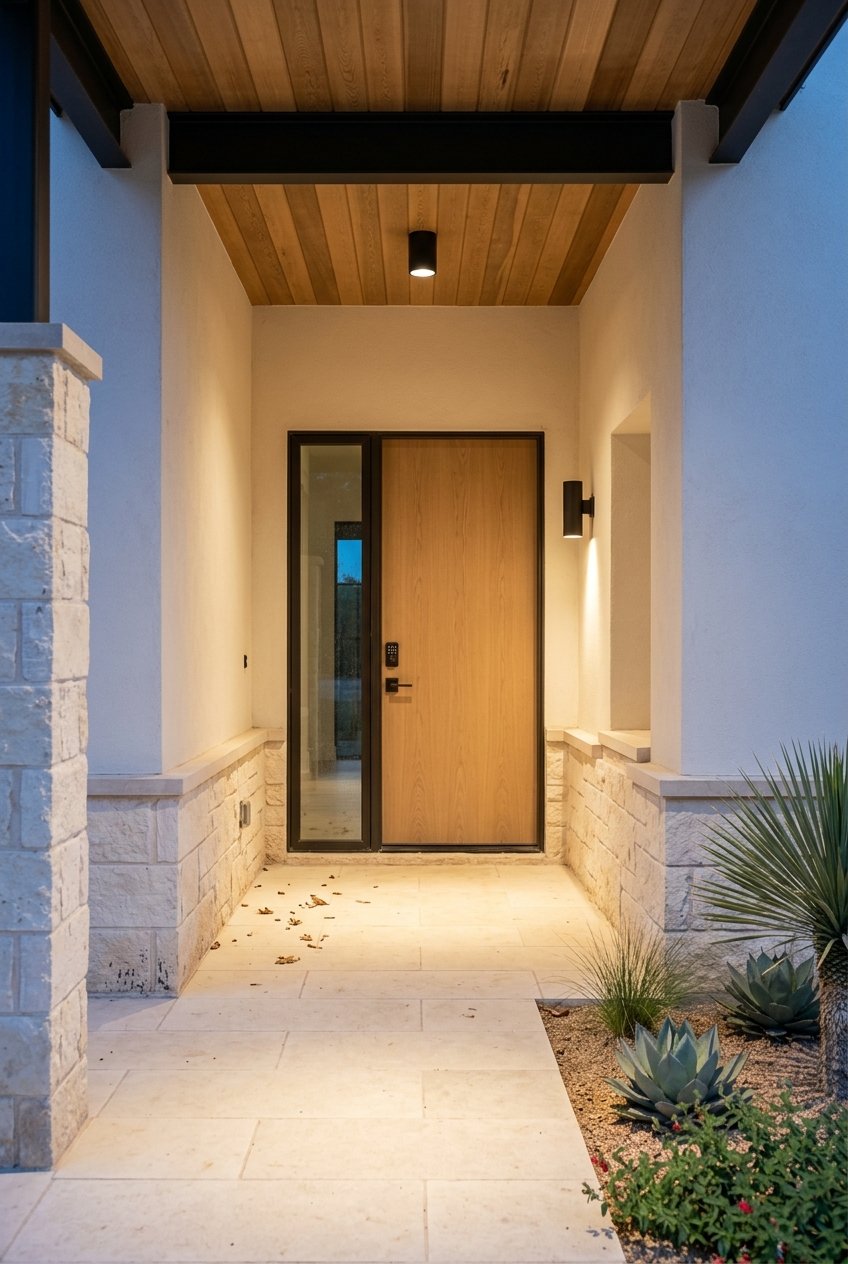
Dripping Springs offers a mix of housing types that fits its Hill Country setting. Near the downtown district, older homes and historic buildings still help tell the story of the town. If you like places with character and a sense of local history, that part of the market may appeal to you.
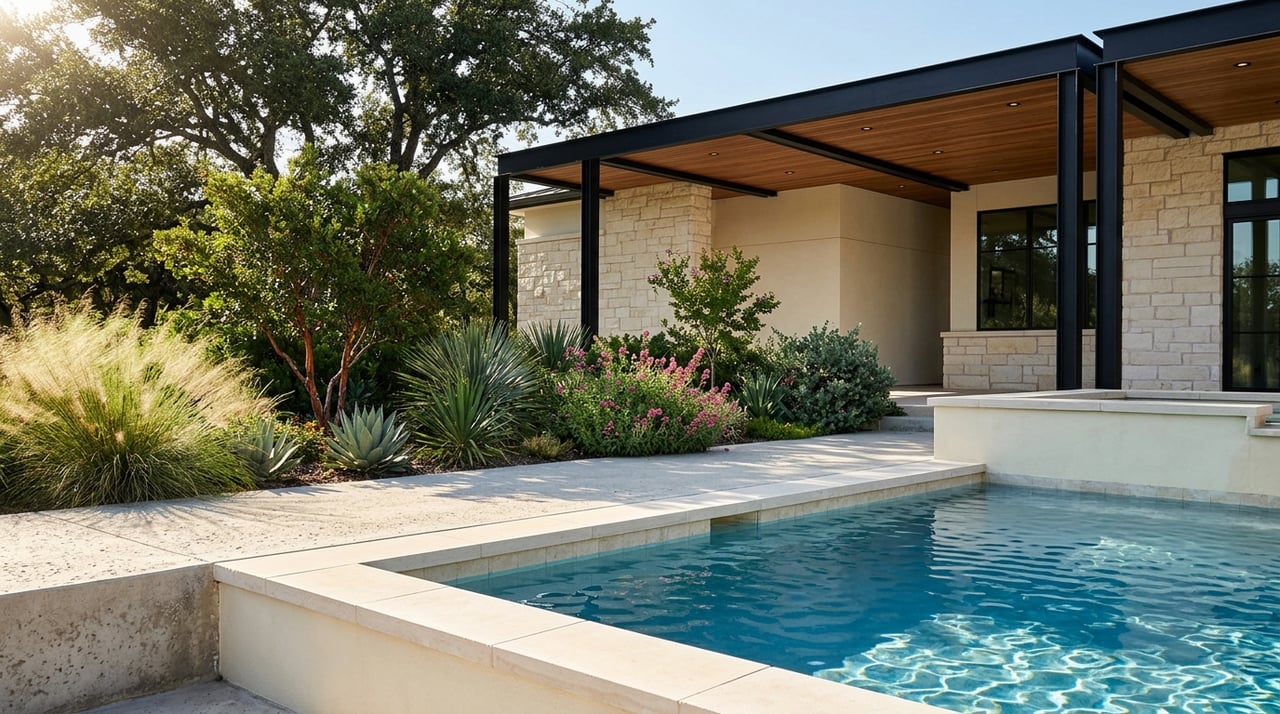
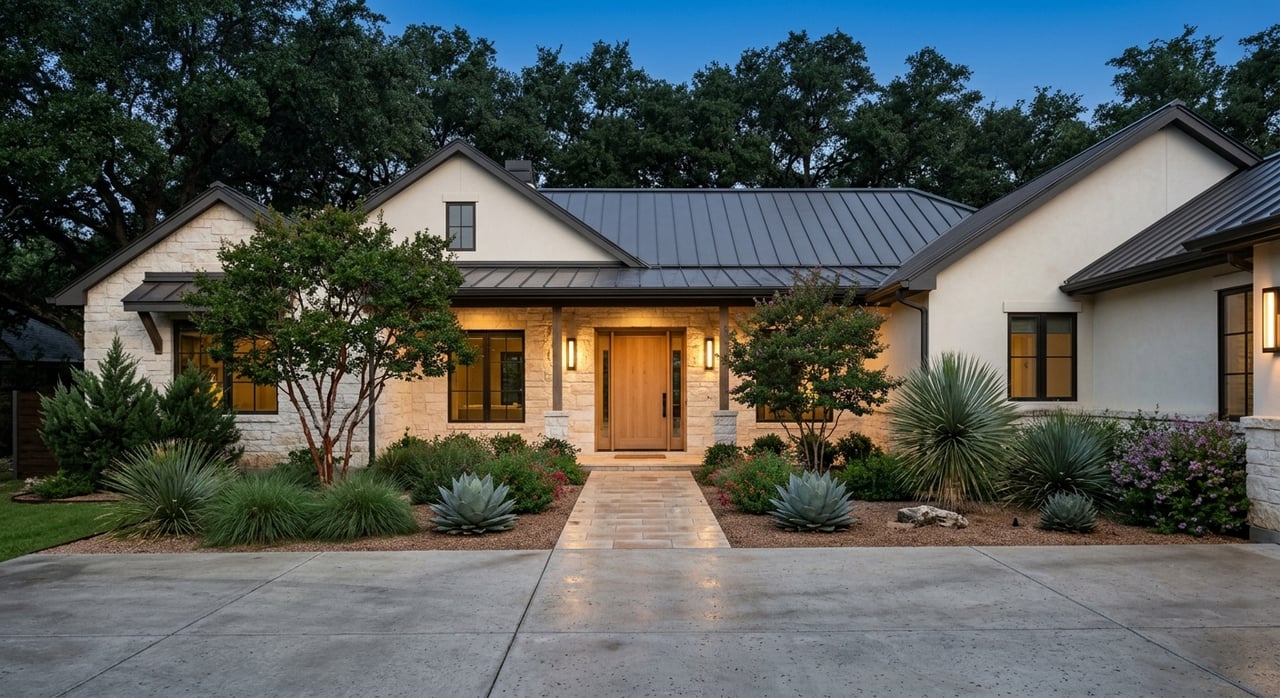
You will also find hill country estate lots and ranchettes. The city’s draft 2040 comprehensive plan describes older, mature neighborhoods developed before city sewer installation, with lots larger than 1 acre, mature vegetation, modest homes, and ranchettes that can accommodate farm animals or horses. That gives you a good sense of why Dripping Springs often attracts buyers looking for space and privacy.
Alongside those larger parcels, the market also includes low-density single-family residential areas. In other words, Dripping Springs is not only about acreage living. You can find more conventional detached homes as well, depending on your goals, budget, and how much land you want to maintain.
What the Market Looks Like
Home prices in Dripping Springs can look different depending on the source and the metric being used. Redfin reported a March 2026 median sale price of $543,000. Zillow reported an average home value of $697,271, while Realtor.com reported a median listing price of $724,900.
Those numbers are not directly interchangeable, but they do point in the same general direction. Dripping Springs is not an entry-level fringe market, and pricing tends to rise as lot size, acreage, and property features increase. If you are shopping here, it helps to define early whether you want a more standard home, a luxury property, or a larger tract with land.
The Main Lifestyle Trade-Offs
Every market has trade-offs, and Dripping Springs is no exception. The biggest one is usually convenience versus space. You may gain privacy, larger lots, and a quieter Hill Country setting, but you will likely give up some of the quicker access you would get in a more central suburb.
That matters most if your daily routine depends on frequent trips into Austin. The city’s own description of being about 25 minutes west of Austin helps frame expectations, but actual drive times can vary depending on where you are headed. For many buyers, the extra room and scenery are worth it, but it is smart to think through that balance before you move.
Larger lots can also mean more upkeep. If you are drawn to ranchettes or acreage, make sure you are equally drawn to maintaining more land. For some people, that is part of the appeal. For others, a lower-maintenance home with Hill Country access may be the better fit.
Breweries, Wineries, and Weekends
Dripping Springs has a social side that often surprises people who expect a quiet commuter town. The city regularly highlights craft breweries, wineries, and live music as part of everyday life here. That creates a weekend culture with more activity than you might expect from a smaller community.
Events like Taste of Drip help showcase local food and beverage businesses, while Founders Day adds a larger festival feel with vendors, food, and music. If you want scenic surroundings without giving up fun local outings, Dripping Springs offers a strong middle ground. It feels relaxed, but it does not feel empty.
Is Dripping Springs Right for You?
Dripping Springs tends to appeal to buyers who want a little more breathing room and a stronger connection to the Hill Country landscape. You may be a good fit if you value open space, community events, dark skies, and a housing market with everything from older homes near downtown to larger lots and ranchettes.
It can also be a smart choice if you want to stay within reach of Austin while living somewhere that feels distinct from the city. The key is knowing what matters most to you. If your top priorities are space, scenery, and a local community feel, Dripping Springs checks a lot of boxes.
If you are exploring Dripping Springs or other Hill Country communities, working with an agent who understands both the market and the fine print can make a real difference. Eileen Depew offers high-touch guidance backed by deep local knowledge and legal insight, so you can move forward with clarity and confidence.
FAQs
What is living in Dripping Springs like?
- Living in Dripping Springs offers a mix of small-town community feel, open space, local events, breweries and wineries, and easy access to Austin and Hill Country outdoor destinations.
How far is Dripping Springs from Austin?
- The city describes Dripping Springs as about 25 minutes west of Austin, though actual drive times depend on your destination and traffic.
What kinds of homes are available in Dripping Springs?
- You can find older homes near downtown, low-density single-family properties, and larger estate lots or ranchettes, including some lots over 1 acre.
Are there parks and outdoor activities in Dripping Springs?
- Yes. The city reports 571.29 acres of parkland, and local options include Founders Memorial Park, Charro Ranch Park, Sports and Recreation Park, Ranch Park, and Dripping Springs Ranch Park.
What should buyers know about the Dripping Springs housing market?
- Buyers should know that market figures vary by source, but current snapshots suggest prices are above entry-level fringe-market pricing and often increase with acreage and property features.
Does Dripping Springs have a strong sense of community?
- Yes. City events like Founders Day and the year-round farmers market help create regular gathering places and a strong local identity.