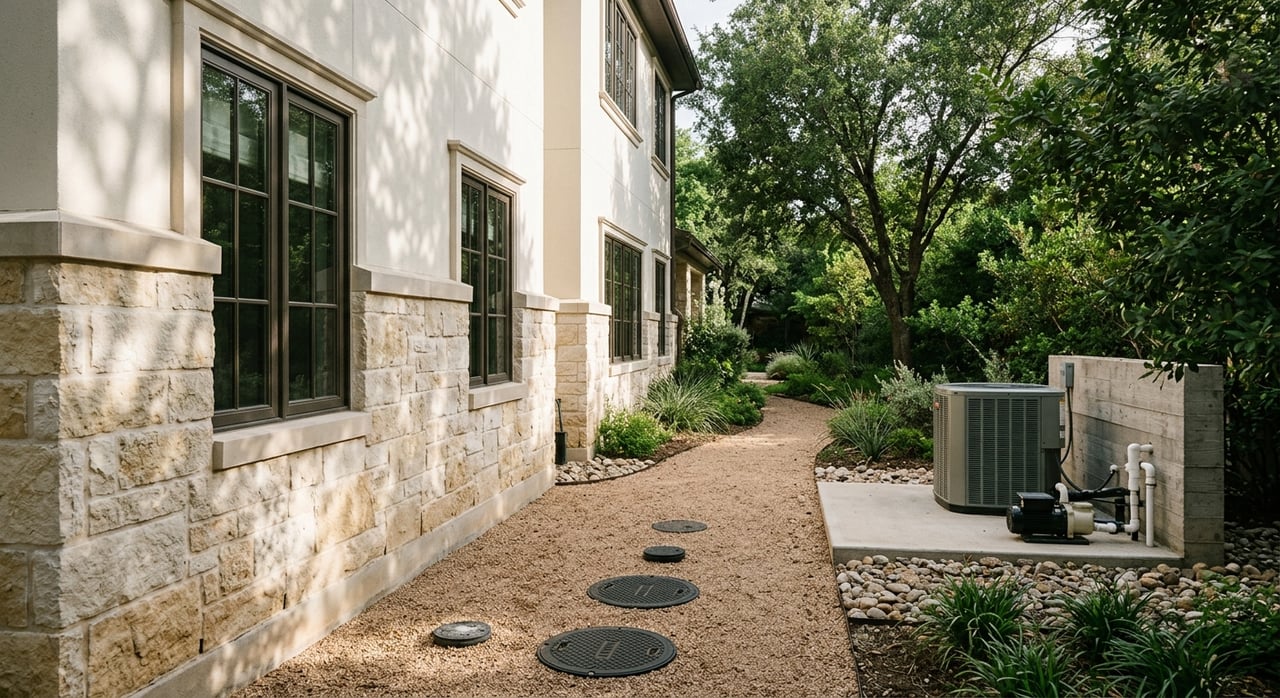
If you are buying rural property in Dripping Springs, the house is only part of the decision. Water supply, wastewater setup, access, and boundary details can have a big impact on how you use the land and what it may cost you after closing. This guide walks you through the key issues around wells, septic systems, and surveys so you can spot questions early and move forward with more confidence. Let’s dive in.
Why rural due diligence matters
In and around Dripping Springs, many rural and semi-rural purchases involve more than a home on a simple city lot. Land, water, access, and title details often carry just as much weight as the improvements on the property.
That is one reason the Texas Farm and Ranch Contract is commonly used for rural properties. It is designed for land-specific issues such as metes-and-bounds descriptions, surveys, title commitments, and other concerns that often do not come up in the same way on a standard subdivision lot.
Wells in Dripping Springs
Groundwater rules matter locally
If a property in western Hays County relies on a well, the Hays Trinity Groundwater Conservation District is the key local authority to know. The district is based in Dripping Springs and regulates groundwater issues that can directly affect rural buyers.
According to the district, it is currently in Emergency Stage, with a 40% curtailment district-wide and 30% curtailment in the Jacob's Well Groundwater Management Zone. As of April 11, 2026, the district homepage also states that it is not accepting new permits for production or non-exempt well construction until conditions improve.
For buyers, that means a future well plan may not be as simple as hiring a driller. In some cases, the first question is not cost, but whether the well type you need can even move forward under current local conditions.
Exempt vs. non-exempt wells
The district’s rules make clear that it decides whether a well is exempt or non-exempt. Non-exempt groundwater withdrawals require an operating permit, and well construction or substantial alteration requires prior notification that includes a property plat and map.
That creates an important practical takeaway: if you are buying land with the idea of drilling a well later, you should verify the property’s well status and permitting path before closing. Assumptions can be expensive on rural tracts.
Well spacing can limit options
Well placement is not just about finding a convenient location. District rules generally require new wells to be at least:
- 50 feet from a property line
- 50 feet from a septic tank
- 100 feet from septic drain fields or wastewater irrigation systems
- 150 feet from concentrated contamination sources
- 10 feet from existing wells
On smaller acreage, those spacing rules can affect where a well can legally go. Even when some property-line spacing may be reduced, that typically requires district authorization and added construction conditions under the current rules.
Existing and abandoned wells
If a property already has a well, you will want to confirm its condition, location, and any available records. Texas also requires a licensed driller and pump installer for water-related wells.
If there is an old or deteriorated well on the property, do not ignore it. The Texas Department of Licensing and Regulation warns that abandoned wells should be properly plugged because they can become a direct path for groundwater contamination.
Septic systems in Hays County
Large acreage does not remove permitting
A common misconception is that a large rural lot avoids septic permitting. In unincorporated Hays County, the county states that all development and all OSSFs require permits, regardless of lot size or acreage through its septic permit process.
That is important whether you are buying raw land, a home with an existing system, or a property where you may want to add improvements later. Septic review should happen early, not after the contract deadlines have passed.
Site conditions still control the result
The Texas Commission on Environmental Quality, or TCEQ, states that permits are required for OSSFs and that you must have a permit and approved plan to construct, alter, repair, extend, or operate a septic system. TCEQ also advises a site evaluation in the area where the disposal field will be built.
In plain terms, the land itself matters. Soil and site conditions can affect whether a system is approved, what kind of system is needed, and how much installation and long-term maintenance may cost.
Aerobic systems have added requirements
Hays County’s permit materials state that advanced or aerobic systems require more than basic design paperwork. The county also requires a maintenance affidavit and a two-year initial maintenance contract, and it states that ongoing maintenance is required for all aerobic or advanced treatment systems.
If a resale property has one of these systems, you should confirm the system type, maintenance expectations, and current documentation. Those details can matter to your lender, your operating costs, and your comfort level as an owner.
Septic, platting, and subdivision status connect
One of the most important county rules is easy to miss: Hays County says it will not issue an OSSF permit for a tract that violates county development or subdivision regulations. That means septic approval is not a stand-alone issue.
A tract may look usable on paper but still hit a roadblock if access, platting, or subdivision compliance is unresolved. This is why septic review, survey review, and development status should be checked together during due diligence.
Surveys and title review
A survey does more than show lines
On a rural purchase, a current survey can answer much more than “where are the corners?” Under the TREC Farm and Ranch Contract, the survey must be prepared by a registered professional land surveyor acceptable to the title company and lender.
The same contract gives buyers the right to object to defects, exceptions, or encumbrances disclosed by the survey or title commitment. It specifically calls out issues like boundary-line disputes, encroachments, protrusions, and overlapping improvements.
Title deadlines can be short
The Farm and Ranch Contract also warns that the title commitment should be reviewed promptly, ideally by the buyer’s attorney, because the objection period can be short. That matters in rural deals where a legal description, easement issue, or boundary concern can take time to investigate.
For buyers, the lesson is simple: order and review title and survey materials early. Waiting too long can reduce your options for objecting or renegotiating.
Road access and private drives
County road or private road?
Not every road that leads to a rural property is county-maintained. Hays County explains through its road and inspection information that a road is county-supervised only if it is not privately maintained and if the county has accepted maintenance rights in a subdivision that met county road standards.
That distinction affects both expectations and risk. If a road is private, maintenance may depend on private agreements, shared arrangements, or recorded easements instead of county responsibility.
Driveway permits and 9-1-1 addressing
Hays County’s transportation department handles driveway and utility permits for county easements and rights-of-way. The county GIS division also manages 9-1-1 address applications and road-layout or road-naming suitability review.
If a property is accessed by a private lane, shared driveway, or newly created route, you should confirm the recorded easement, driveway permit status, and emergency-addressing setup before closing. Informal access can create very real problems if the paperwork does not match how the property is actually reached.
A practical rural property checklist
Before you move forward on a rural property in Dripping Springs, it helps to verify a few key items:
- Well status, including whether it is exempt or non-exempt
- Current groundwater restrictions or drought curtailment
- Required spacing for any new or replacement well
- Existing septic permit records and system type
- Whether an aerobic or advanced system requires ongoing maintenance
- Site conditions that may affect septic approval
- Survey details, including boundaries, encroachments, and access
- Recorded easements for roads, driveways, and utilities
- Whether the road is county-maintained or privately maintained
- Any subdivision, platting, or development compliance issues
Why this matters before you sign
Rural real estate in Dripping Springs can offer space, privacy, and flexibility, but it also asks more of your due diligence. A property can look ideal at first glance and still carry issues related to water, wastewater, access, or title that deserve close review before closing.
That is where careful contract, title, and survey analysis can make a meaningful difference. If you want informed guidance on a rural purchase in the Hill Country, Eileen Depew offers high-touch representation with a strong focus on contract details, title issues, and risk reduction.
FAQs
How do well rules affect rural property in Dripping Springs?
- In western Hays County, the Hays Trinity Groundwater Conservation District regulates well issues, including exempt versus non-exempt status, construction notifications, spacing rules, and current drought-related restrictions.
Do large lots in unincorporated Hays County still need septic permits?
- Yes. Hays County states that all development and all OSSFs require permits in unincorporated areas, regardless of lot size or acreage.
What should a rural property survey show in Hays County?
- A rural survey should help identify boundary lines, encroachments, protrusions, overlapping improvements, and access-related issues that should be reviewed alongside the title commitment and recorded easements.
Who maintains the road to a rural property near Dripping Springs?
- That depends on whether the road is county-supervised or privately maintained. Hays County says a road is county-supervised only under specific conditions, so buyers should verify maintenance status before closing.
Why should septic, survey, and subdivision review happen together?
- Hays County says it will not issue an OSSF permit for a tract that violates county development or subdivision regulations, so a property’s buildability may depend on those issues being resolved together.